Helping you unlearn what no longer works, and reconnect to parts of you hoping for more.
Virtual EMDR, IFS, & Art Therapy in New York State
Hi, my name is Leila.
(they/she)

How I work
I integrate EMDR, parts work, art therapy, and narrative therapy through an empathic, compassionate, and direct approach. In session, I am active and engaged: I think out loud with you, gently invite you to notice and move toward feelings or thoughts you have not been able to unpack, and help you make meaning of what comes up. My role can shift from week to week—I may guide you in processing painful life experiences, celebrate your wins and highlight your progress, call you in and hold you accountable when needed, or help you build concrete skills and resources you need to build lasting change.
My therapy practice has been deeply informed by my identity markers and my lived experience, and therefore I aim to provide services to people who may share those identities, and with whom I may be in community. Those include, but are not limited to:
Immigrants (1st, 2nd, 3rd gen) and Adult Third Culture Kids
BIPOC and AAPI communities (in particular, Central Asian diaspora)
LGBTQIA+ and gender diverse people
Therapists, mental health workers, and health care providers
I work with adults who are seeking support in the challenges they are facing, whether you identify with any of the communities listed above, or whether you are coming from an entirely different walk of life. For any reason you find yourself here, if you think we could be a good fit, I would be happy to hear from you.
I am a licensed and board certified creative arts therapist with 9 years of post graduate experience providing psychotherapy services in English and Russian to adults physically residing in New York State.
I specialize in working with history of trauma, gender identity and sexuality, depression, anxiety, and long term effects of immigration.
Areas of Expertise

-
Many immigrants and adult children of immigrants live in a constant state of hypervigilance and visa‑status anxiety, while also navigating culture shock, acculturation, grief and loss of culture of origin, and racial, ethnic, and cultural identity conflict. You might be holding all of this while trying to move through systems that feel confusing and frightening, especially in today’s climate.
As an immigrant or a child of immigrants, you’re holding so much on your shoulders. I’ve experienced these emotions first hand, and while your therapy is about you, not about me, sometimes it helps to know you’re talking to someone who’s been where you are. I specialize in supporting people through the emotional impact of immigration and the intergenerational effects it can have on first and second generation individuals.
-
You may be carrying internalized mental health stigma, navigating intergenerational and intercultural differences, and struggling with racial and ethnic identity.
You might be looking for support with experiences specific to being an Asian immigrant or Asian American, or simply wanting to work with a therapist who shares and understands your identities.
I provide culturally responsive and trauma-informed care that is tailored to your unique goals while honoring your racial, cultural, and ethnic background.
-
Your experiences with the family you grew up with are formative and foundational to how you move through the world and form relationships beyond your family. This can show up as attachment wounds, unspoken relationship expectations, differences in values with chosen family or partners, and many more.
Therapy can offer a steady landing place to explore these formative experiences, deepen your self‑awareness, and cultivate more satisfying, authentic relationships with the people in your life.
-
Relational trauma includes any rupture that happened in relationship with others. That can be divorce, even when it’s amicable. That can be break-ups, even when the relationship feels like it was “not long enough to matter”, or when the break-up happened a long time ago. That can be loss of friendships, and separation from family of origin, whether you were the one to choose the ending, or whether it happened to you and was out of your control.
Therapy can help rebuild a sense of your identity after a significant relationship has ended, process impact of relationships that have influenced you, learn how to set boundaries, address trust issues, and more, depending on what your specific circumstances are.
In session, we build a relationship where you can feel cared for, seen, and held, AND simultaneously learning how to set boundaries, take criticism and accountability, and handle conflict, if those are things you are struggling with.
-
I specialize in providing care to individuals within the LGBTQIA+ community, whether you’ve been out for a while, a little, or if you’re questioning. There may be parts of you that haven’t felt welcome in therapy spaces before, parts that you feel you need to check at the door. There may be parts of you that have learned to code switch, mask, and perform as a way to survive. There may be parts of you that you have inherited from your ancestors, carrying burdens from generations past. My priority is to co-create a space where you not only feel affirmed, but celebrated, and where every part of you feels welcome.
-
People sometimes ask themselves, “Am I secretly an extremely manipulative person or am I being unreasonable here?” This question can arise for those who learned to anticipate others’ needs and adjust themselves in order to stay safe. Over time, this can lead to difficulty asking for help or trusting others, feeling unsafe in relationships, and struggling to name and express your own needs. You may also notice that your care for others is not reciprocated in the same way, which can deepen feelings of isolation and loneliness.
Many people also find conflict overwhelming or terrifying, because conflict has rarely, if ever, been safe. In therapy, we can unpack the trauma beneath these patterns, practice setting boundaries where it is appropriate, and work toward relationships with yourself and others that feel more secure, honest, and nourishing.
-
Impostor syndrome means that you could be doubting your talent, skills, and experience, and feel like you’ve somehow faked your way to success, and any minute now, someone is going to catch on to you and expose you as a fraud.
Beginner syndrome means that you could be having difficulty allowing yourself to, well, be a beginner at something you’re interested in. You could be wanting to learn your native language and feel like a failure when you haven’t mastered it in six months, or better yet, two weeks. You could be wanting to change careers and give up before you’ve had a chance to go an interview for a job you were really excited about.
As for perfectionism, sometimes people will say, “I can’t be a perfectionist, I’m not perfect!” The thing with perfectionism though, is that it never allows you to be “perfect”, always trapped in the “not enough” of it all.
Therapy can provide a space to unpack all of these experiences and more, developing a way forward. That can look like shifting to values-aligned living, including more opportunities to allow permission of imperfection and being a beginner, and self-esteem work.
-
Many therapists and mental health professionals, healthcare industry professionals, and students enter this field because you want to help others. You may have always been good at listening to others, you may have dreamed of being someone that can heal people. Often, people report burnout and disappointment in healthcare due to high caseloads, lack of supervisory support, trauma from predatory group practice policies, racism and discrimination in the field.
You may have nothing to do with the field of healthcare, but you may know healing - as a caregiver for a family member, as the “therapist” of your family. You may feel conflicted, with one part of you feeling proud of your ability to care for others, and another part feeling so exhausted that you just don’t care anymore. These are some of the issues that can lead you to burnout, compassion fatigue, and disconnection from yourself.
Therapy can be a space to finally focus on you, and figure out a way forward.
-
You have accomplished every goal, done everything that is in your control, tried every new thing, and every old thing, and somehow you’re still feeling so burnt out on your goals and aspirations. This may include corporate world burnout, identity issues and dealing with the burden of internal and external expectations, desire support surrounding career transition. It may also look like reconnecting with your inner creative self in order to find meaning again.
We’ll start by addressing what is going on for you at this stage in your life, and identifying areas you would like to change in the short and long term. Think of this process as setting a compass for the map of our work together – the exact path to the direction may fluctuate, but identifying the direction can help determine what approach would be best for you. You’re the one who determines how fast or slow we go, and which areas we go towards and when: my job is to help you go towards places you may be afraid to go on your own, and point out areas on the map you may not be aware of yet.
Services
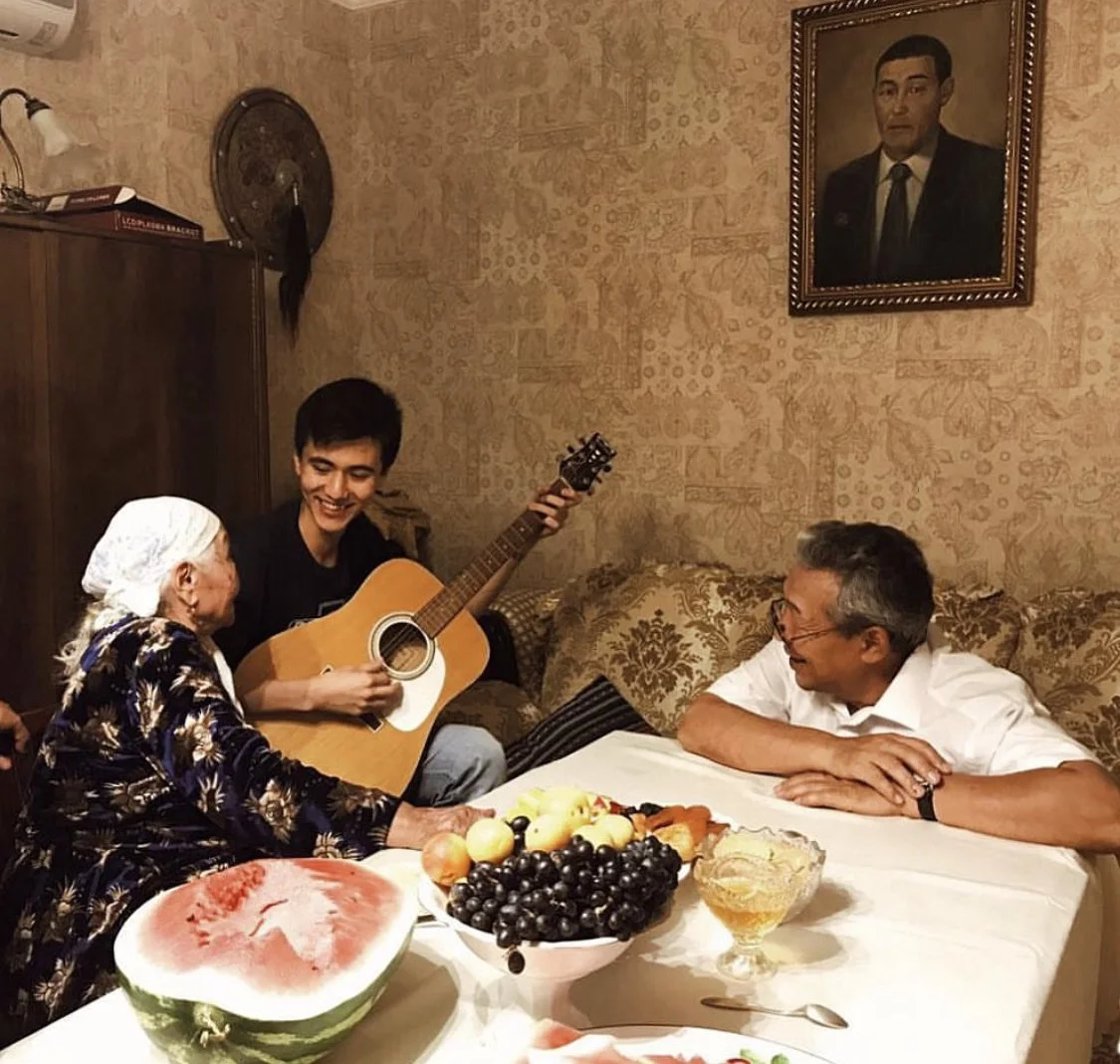
I provide individual therapy to adults physically residing in New York state. Therapy is a space where you can make sense of what you’ve been carrying, and practice new ways of relating to yourself and others. Sessions are tailored to your pace and needs to help you heal trauma, ease anxiety and burnout, understand your patterns of behavior, and feel more at home in who you are.

EMDR is a trauma-focused therapy that can help you reprocess painful experiences so they feel less like they’re running your life right now. As a queer Asian immigrant, I use EMDR with other immigrants, BIPOC and AAPI communities, and LGBTQIA+ folks navigating racial and cultural trauma, burnout, and big life transitions, so your nervous system has more room for new experiences and caring relationships.

As a licensed and board-certified creative arts therapist, I offer supervision to therapists seeking hours towards their ATR-BC licensure. I also offer consultation for therapists who want a thoughtful, culturally aware place to bring their work. Together, we can explore your questions and deepen your clinical intuition, helping you build a practice that actually fits you and the communities you care for.
How can therapy help me?
Therapy works best when it connects with the other parts of your life that make you who you are. There is real value in support from your community, in spiritual, cultural, or religious practices, in staying connected to your values and sense of meaning, and in the books, media, and art that move you.
Life can be overwhelming, and you do not have to face it alone. Therapy can be a bridge to other forms of healing: change does not only happen in the hour we spend together, but in you bringing what we discover into your daily life, then returning to a safe and confidential space where we can notice what is working, what is not, and adjust together so you can gain insight, improve your relationships, and move toward your goals.

Heal intergenerational, racial, and immigration-related trauma so the past doesn’t run your present
Soften inner critics, perfectionism, and imposter syndrome with IFS/parts work
Set and keep boundaries with family, work, and community while honoring your culture and values
Approach difficult emotions from a place of curiosity and openness, rather than frustration and self-doubt
Improve communication and conflict in relationships, including around queerness, gender, and family expectations
Recover from burnout and make more room for rest, pleasure, and play
Clarify what you want next, develop a tailored plan of action, and take aligned steps forward