Therapy for Central Asians in NYC | Queer-Affirming Culturally Responsive Therapy in Brooklyn, NY
For Kazakh, Kyrgyz, Uzbek, Tajik, Turkmen, and other Central Asian diaspora navigating many worlds at once
Central Asian, in New York, and quietly overwhelmed
You’ve built a life that, on paper, looks like the “dream”: the New York address, the degree or the job, the financial ability to help out back home when you can. But what no one really sees is how much of that life runs on quiet tension: refreshing government portals, doing mental math about time zones and trips home, replaying conversations with parents, and swallowing things you don’t feel safe saying out loud.
You might notice yourself going numb in high-stress moments, zoning out on the train, or switching between languages and selves so often that you’re not sure which version of you you are anymore.
Therapy might feel unfamiliar, unnecessary, or like something “other” people do, especially if you were taught to cope by pushing through, staying private, and not “making a big deal” out of your feelings. My work with Central Asian clients in NYC and across New York State is about creating a discreet, grounded space where we can look at immigration stress, family expectations, queerness, burnout, and other concerns.
Feeling lost in translation: when loss of language and tradition turns into anxiety, depression, and numbness
There is such a beautiful, complex richness in Central Asian cultures, and you may feel that richness living in you as you build a life in New York. You might find yourself missing things you didn’t think twice about before: everyone knowing their juz and their ru (mine is Құлан қыпшақ), the taste of fresh baursaki on Nowruz, tea all the time, always, switching back and forth between Kazakh and Russian, the way that an elder’s headscarf felt when you would hug them as a kid. These details can feel small, but they are often the memories people fear losing most when they move through immigration, pressures of expectations of assimilation, and the pressure to keep up in NYC.
I name Kazakh culture details specifically because that is my lived experience, and I know what it is like to realize how much history can live in your bones: the losses of language, tradition, and connection that happened across our great-grandparents’, grandparents’, and parents’ generations, and that can show up as anxiety, numbness, depression, or self-doubt in yours. The historical trauma of famine, war, addiction, family separation, and displacement: everything you may have been taught to downplay and dismiss. You might speak English better than your native tongue now, or feel yourself forgetting words that used to come easily.
In our work together, we can slow down with all the questions you may have, and get to know the grief of stories that were never told, and ways in which it may impact your nervous system now. Using approaches like EMDR, IFS (parts work), and creative arts therapy, we can tend to the parts of you that carry intergenerational trauma, cultural pride, and cultural loss.
Many Central Asian clients I work with are navigating:
Immigration status can feel like a constant background hum of worry.
Visas, documentation, and the fear of making a “wrong” move can make it hard to relax, plan for the future, or feel fully at home here. Restrictions around travel, or not knowing when you can go back or how long you can stay, may feel overwhelming and isolating.Intergenerational stigma around mental health.
In many countries in Central Asia, mental health is rarely talked about directly. You may have grown up hearing that therapy is for “crazy people,” for “Westerners,” or that you just need to be stronger and “get over it,” so you tell yourself to ignore it and keep going.Family honor ,“what will people say,” and the pressures of secrecy.
Family honor and reputation can make it feel dangerous to be honest about what you’re going through. You may worry that your choices reflect on your entire family, especially around relationships, sexuality and gender, or mental health, and feel stuck between your values and the values you were raised with.Pressure to assimilate while maintaining traditional values.
You’re trying to build a life in the U.S.: catching up in your career, sending money home, exploring who you are, and adapting to a new culture. At the same time, there may be expectations around marriage, children, traditional gender roles, and being a “good” daughter, son, or child. Holding all of this together can leave you feeling torn—like you’re failing someone no matter what you choose.Code switching and feeling “in between”.
You might notice yourself constantly code switching between languages, behaviors, and selves depending on who you’re with. It can feel like you have one foot here and one foot back home, but also like you don’t fully in either, leading to loneliness, numbness, or feeling like you don’t recognize yourself.Intergenerational trauma stored in the body.
Many Central Asian people carry histories of trauma in their bodies: decades of political instability, migration, colonization, and famine. Even if your family never used the word “trauma,” you might feel it as chronic stress, anxiety, shutdown, or heaviness. Your body may be holding stories that were never given words.Queerness, gender, and safety.
If you’re queer, trans, or questioning, there may be an added layer of fear. You might worry about rejection, gossip, or violence, both in your communities here and back home. You may be trying to figure out how or whether to come out, navigating what feels like a double life, or wondering if it’s possible to hold both your love for your culture and your authenticity without losing one or the other.Acculturation, burnout, and the NYC “hustle”
Adjusting to new systems, Western mentality , and the hustle culture of New York City while constantly pushing, comparing, and questioning if you’re doing enough, are successful enough, or “grateful” enough, can lead to disconnection, burnout, and self-doubt
-
This is a queer and trans affirming space. There is an unfortunate rise in anti-LGBTQ policies back home, with the added history of a culture that has very little queer visibility. Many of my Central Asian clients are navigating secrecy, double lives, and fears about family or community. You don’t have to have anything figured out, and you won’t be asked to choose between your queerness and your culture here. I hope to provide a space where all parts of you feel welcomed, and there is no judgement.
-
Therapy is confidential, which means I do not share your identity or what we talk about with your family, community, employer, or anyone else, except in specific safety-related situations that we’ll go over together in the first session. I know how real the fear of gossip and “what will people say” can be in Central Asian communities, and we’ll make sure you understand your privacy rights so you can decide what feels safe to share in session. If it feels safe to, we will also explore navigating challenging mental health stigma in your family, community, and culture.
-
Many Central Asian clients I work with are high-functioning on the surface while feeling exhausted, shut down, or constantly on edge on the inside. You don’t need a formal diagnosis or a “rock bottom” to benefit from therapy. Feeling numb, overwhelmed, or like you’re living multiple lives is already enough to bring into the room. I’d be happy to discuss your specific circumstances further during our initial consult.
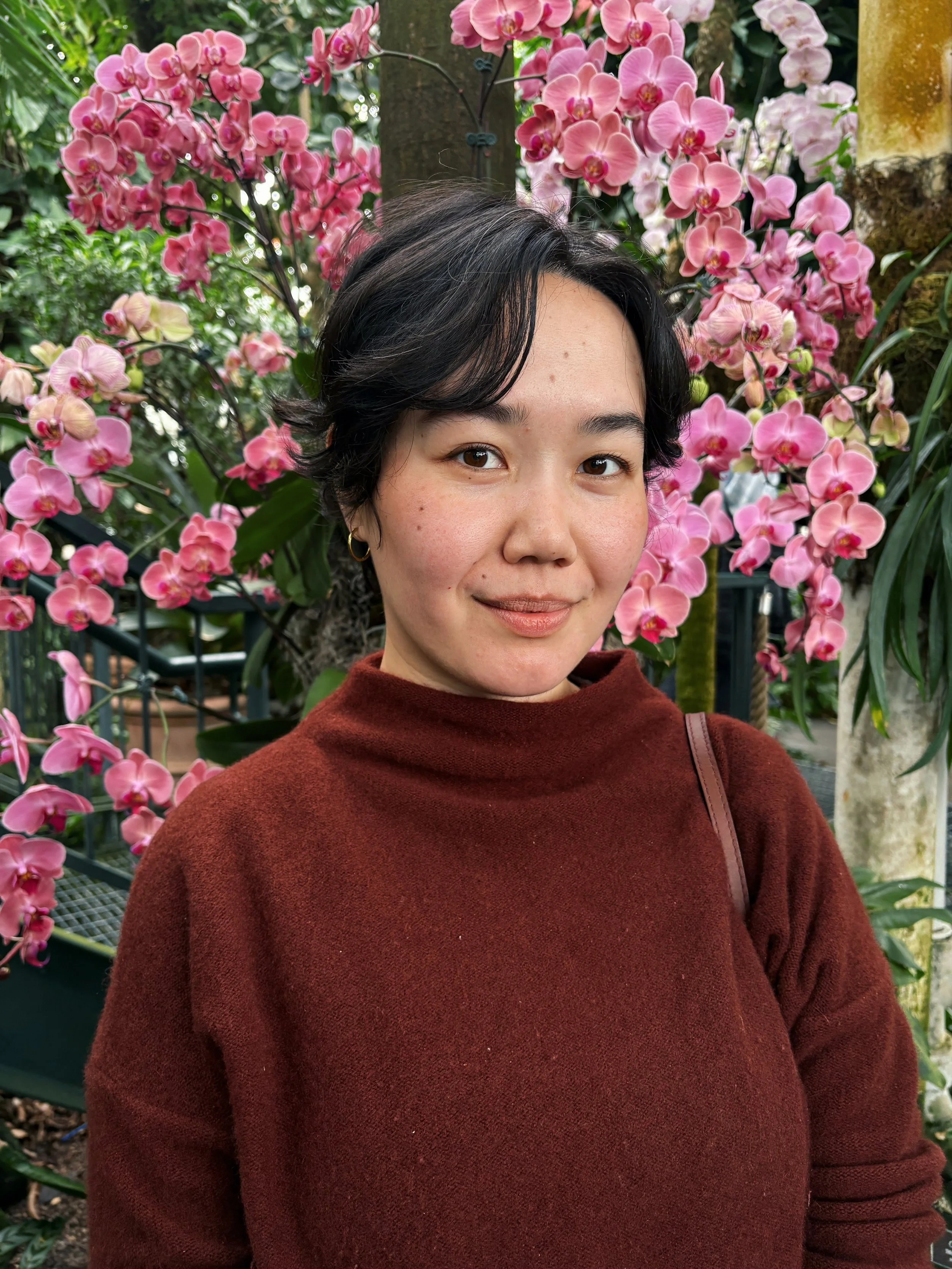
Who I am
I’m a queer Kazakh immigrant therapist, and I understand the experience of holding multiple worlds at once: the one you came from, the one you’re building here, and the one your family imagined for you. I grew up in Astana, Kazakhstan, and I am Kazakh and Tatar. I've lived in the US for most of my adult life, while my family continues to live back home, which gives me a lived understanding of distance, diaspora, and navigating several worlds at once. My upbringing is something I hold with pride, and it shapes how I support clients in exploring your own complex identities, cultural inheritances, and relationships. I know what it means to carry multiple cultures at once and feel like you belong fully to neither, to navigate the grief of distance and the guilt of ambition, to translate yourself constantly across contexts and wonder which version of you is the real one.
What makes me qualified to help you
I am a licensed and board-certified creative arts therapist (LCAT, ATR-BC) with 9 years of post-graduate clinical experience. I hold a Master of Professional Studies in Art Therapy and Creativity Development from Pratt Institute. I am EMDR-trained and IFS-informed, and I regularly pursue continuing education to ensure our work together reflects the most current, evidence-based approaches.
How I work with Central Asian Clients
Internal Family Systems (IFS / parts work).
We’ll get to know the parts of you that say “you can’t disappoint your parents,” “you must be strong,” or “therapy is shameful,” and the parts that are longing for rest, expression, or change. Instead of trying to get rid of these parts, we’ll understand how they formed and give them new options
EMDR for trauma and migration stress.
EMDR can help process memories related to immigration, discrimination, family conflict, and feeling unsafe in your body or in systems without having to retell every detail. This can be especially helpful if you were taught to “keep things inside” and are not used to talking about painful experiences.
Creative arts therapy.
For many Central Asians, art, poetry, music, and storytelling are natural forms of expression. If words are hard or feel disloyal, we can use drawing, imagery, and symbolism to explore what’s happening inside in a way that feels a bit safer.
Culturally responsive, anti-oppressive care.
I don’t view culture, religion, or tradition as problems to be fixed. We will honor the values that matter to you—such as family, hospitality, spirituality, community, while also making room for your needs, boundaries, and identity.
In our work together, you can expect to:
Reduce anxiety and hypervigilance around immigration and long-tern uncertainty about staying or leaving
Explore queerness, gender, and your relationships at a pace that feels safe for your nervous system, without pressure to “come out” before you’re ready
Name and process intergenerational trauma related to famine, war, addiction, family separation and displacement, so it feels less like a vague heaviness in your body
Soften survival strategies like code-switching, people pleasing, and perfectionism, and develop new patterns
Feel more grounded in your identity as a Central Asian (and possibly queer, immigrant, or third culture) adult, instead of feeling like you’re living several separate lives.
Feel more available to attend community events, holidays, or religious gatherings (if you want to) without days of anxiety before or self-criticism after; if you don’t want to, develop boundaries that are culturally responsive and find community that you feel more connected with
Reduce how often you numb out with scrolling or overworking and replace some of that time with rest or activities that feel genuinely nourishing
Be able to follow through on at least one avoided task each week without overwhelming dread: for example, you may find yourself putting off emails, paperwork, or difficult conversations for weeks less often, and feel less stressed when you need to deal with daily tasks