
Queer-Affirming Culturally Responsive Therapy for BIPOC, AAPI & Immigrant Adults in Brooklyn, NY | EMDR & Parts Work
“Trauma in a person decontextualized over time can look like personality. Trauma in a family decontextualized over time can look like family traits. Trauma decontextualized in a people over time can look like culture.”

How flashbacks can show up in everyday life
You know how movies show flashbacks—the character loses their sense of time and place, suddenly transported into a black‑and‑white memory so we, as the audience, know exactly what is happening. It is a powerful storytelling device, but trauma rarely looks that neat in real life.
Flashbacks do not always show up as clear visual scenes. They are more likely to feel like reliving the event through body sensations, waves of emotion that seem to come out of nowhere, or episodes of numbness, dissociation, overstimulation, or anger that feel bigger than the situation in front of you.
“It wasn’t that bad” and other ways we minimize trauma
Have you ever found yourself in the middle of an argument about something trivial, like about who is going to do the dishes? And then all of a sudden it’s like there are two parts of you: one that is so upset and hurt and scared, and another that is confused as to why you’re upset and hurt, you’re in the safety of your own kitchen talking about jam and butter left on the plates in the sink. And even after the dishes are done and put away, it still doesn’t feel right?
Now you might say, “but I didn’t have it that bad, other people had and have it worse than me!”. The thing is, trauma doesn’t work according to this internalized grading system of not that bad-bad-worse. Trauma can be anything that happens too much, too fast, and too soon for your nervous system to be able to digest and process it. As a result, trauma can sit there, “undigested”, and manifest through a number of symptoms, such as hypervigilance, numbness, dissociation, depression, and many more.
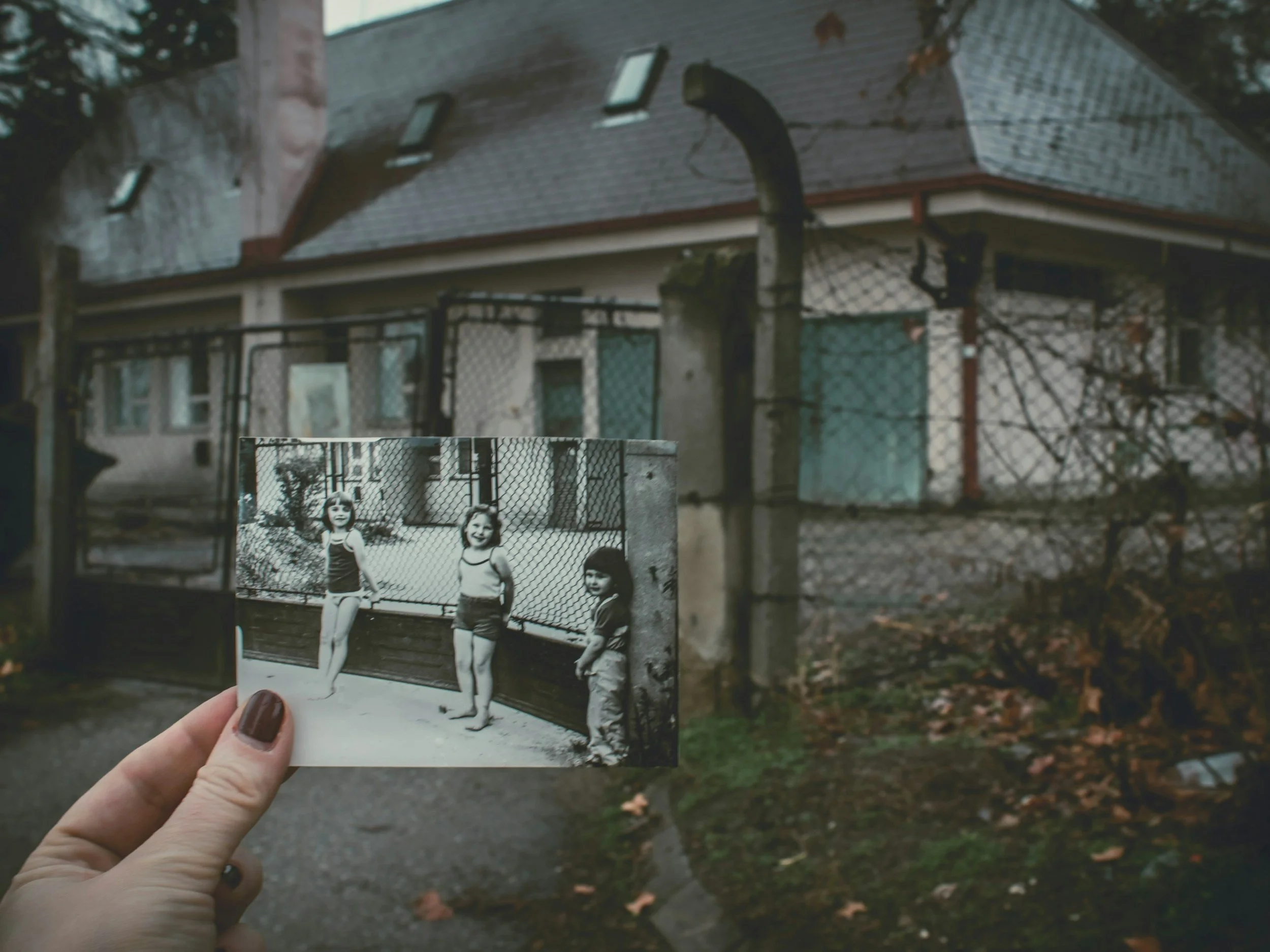
“Trauma isn’t just the sadness that comes from being beaten, or neglected, or insulted. That’s just one layer of it. Trauma also is mourning the childhood you could have had. The childhood other kids around you had. The fact that you could have had a mom who hugged and kissed you when you skinned your knee. Or a dad who stayed and brought you a bouquet of flowers at your graduation. Trauma is mourning the fact that, as an adult, you have to parent yourself. You have to stand in your kitchen, starving, near tears, next to a burnt chicken, and you can’t call your mom to tell her about it, to listen to her tell you that it’s okay, to ask if you can come over for some of her cooking. Instead, you have to pull up your bootstraps and solve the painful puzzle of your life by yourself. What other choice do you have? Nobody else is going to solve it for you.”
There are many different types of trauma:
Childhood emotional, physical, or sexual abuse
Emotional neglect or growing up with emotionally unavailable caregivers
Domestic or intimate partner violence
Immigration, displacement, and acculturation stress
Racism, xenophobia, homophobia, transphobia, and other identity‑based harms
Community or political violence, war, or state violence
Medical or surgical trauma
Sudden loss, accidents, or natural disasters
Chronic stress from caregiving, burnout, or living in ongoing unsafe conditions

-
I work with adults (usually 20s–50s) who are “high‑functioning” on the outside but feel exhausted, shut down, or disconnected inside, often due to trauma, complex family dynamics, or ongoing identity‑based stress. Many of my clients are queer, trans, BIPOC, AAPI, immigrants, or third‑culture adults living in Brooklyn or other NYC boroughs who want depth‑oriented, trauma‑focused work rather than short‑term symptom management.
-
Clients often come in with experiences like replaying past relationships, feeling “too sensitive” or “too much,” struggling with boundaries, people‑pleasing, burnout, or feeling frozen when conflict or criticism shows up. Common symptoms include hypervigilance, numbness, dissociation, depression, chronic self‑doubt, and a sense that their reactions in the present are “bigger” than the situation in front of them.
-
In virtual EMDR sessions, we usually spend the first few sessions building safety, resourcing, and understanding your history before moving into reprocessing. When we begin EMDR, we use bilateral stimulation (for example, following a moving dot on the screen with your eyes, self-tapping or alternating audio cues) while you briefly bring specific memories, body sensations, or beliefs to mind so your nervous system can gradually reprocess them in a contained way. Sessions are 50 minutes, and EMDR can be integrated with IFS (parts work) and art therapy where appropriate.
-
A typical session may include checking in about how you’ve been since we last met, tracking what is happening in your body as you talk, gently slowing down around places you feel stuck, and sometimes using creative exercises to access experiences that are hard to put into words. There is space for you to more or less structure, depending on what your individual needs are. I pay close attention to pacing so that we don’t overwhelm your nervous system while still moving toward the changes you are hoping for.
In our work together, you can expect to:
Identify and contextualize the experiences, relationships, or identity-based harms that have shaped your nervous system
Learn to track what is happening in your body (for example, a tightness in your chest in the workplace, going numb or dissociating during conflict, or feeling activated in response to your phone buzzing) so you can notice flashbacks and triggers in real time instead of feeling blindsided by them, and respond with care
Get to know different parts of you (the one that explodes, the one that shuts down, the one that says “it wasn’t that bad”) and begin to relate to them with more curiosity and compassion instead of shame
Use EMDR to reprocess specific memories, body sensations, and beliefs that feel “stuck,” so they become less overwhelming in the present
Bring in your identities as a queer, trans, BIPOC, AAPI, immigrant, or third‑culture person
Build practical grounding and self‑regulation tools, like somatic exercises or grounding techniques to help you in moments where you may need them in the future
Over time, get to know and expand your window of capacity, notice less time spent spiraling or disconnecting, and more access to joy and connection