

What is inner child work for Asian, Asian American, and Central Asian adults?
Sometimes, hearing the term “inner child work” can elicit a polite skepticism, particularly in the context of therapy. What does inner child work mean if your inner child has been parentified and does not particularly want to work more than they already have to?
You may be the person who has spent years being the one who holds it together. You may be someone who can take a step back from your anxiety, analyze it from every angle, and find things you can control to make yourself feel better. You may be able to tell exactly where your perfectionism is rooted from, and how many of your family members have a possible undiagnosed something. And if there’s a part of you that is curious about just what your inner child has to do with any of that, this post may be of some interest to you.
At its core, inner child work for Asian American and Central Asian adults is about getting curious about the parts of you that formed early in your formative years. Your emotional strategies, the beliefs about the roles you have to play in order to be safe or loved or enough, and understanding how those parts can operate in your adult life on a conscious or subconscious level.
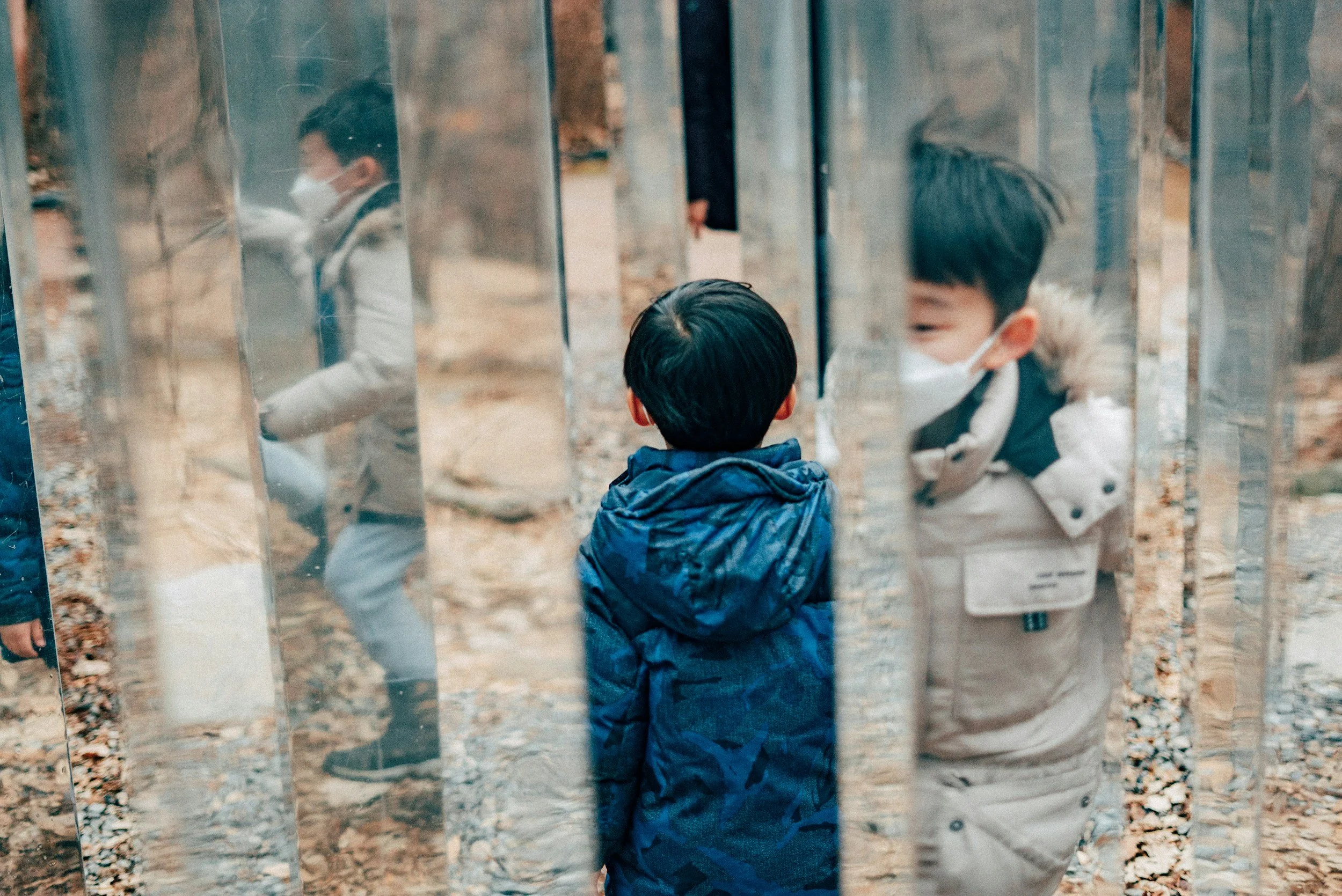
What emotional life may have looked like in Asian and Central Asian households
It’s worth noting that families vary enormously, across countries, generations, immigration histories, class backgrounds, and individual personalities. While there may be some overlap, ultimately, your particular experience is specific and unique to you. Some of the emotional patterns that can appear in the lives of Asian, Asian American, and Central Asian adults seeking therapy in NYC are:
Love expressed and received through action rather than words
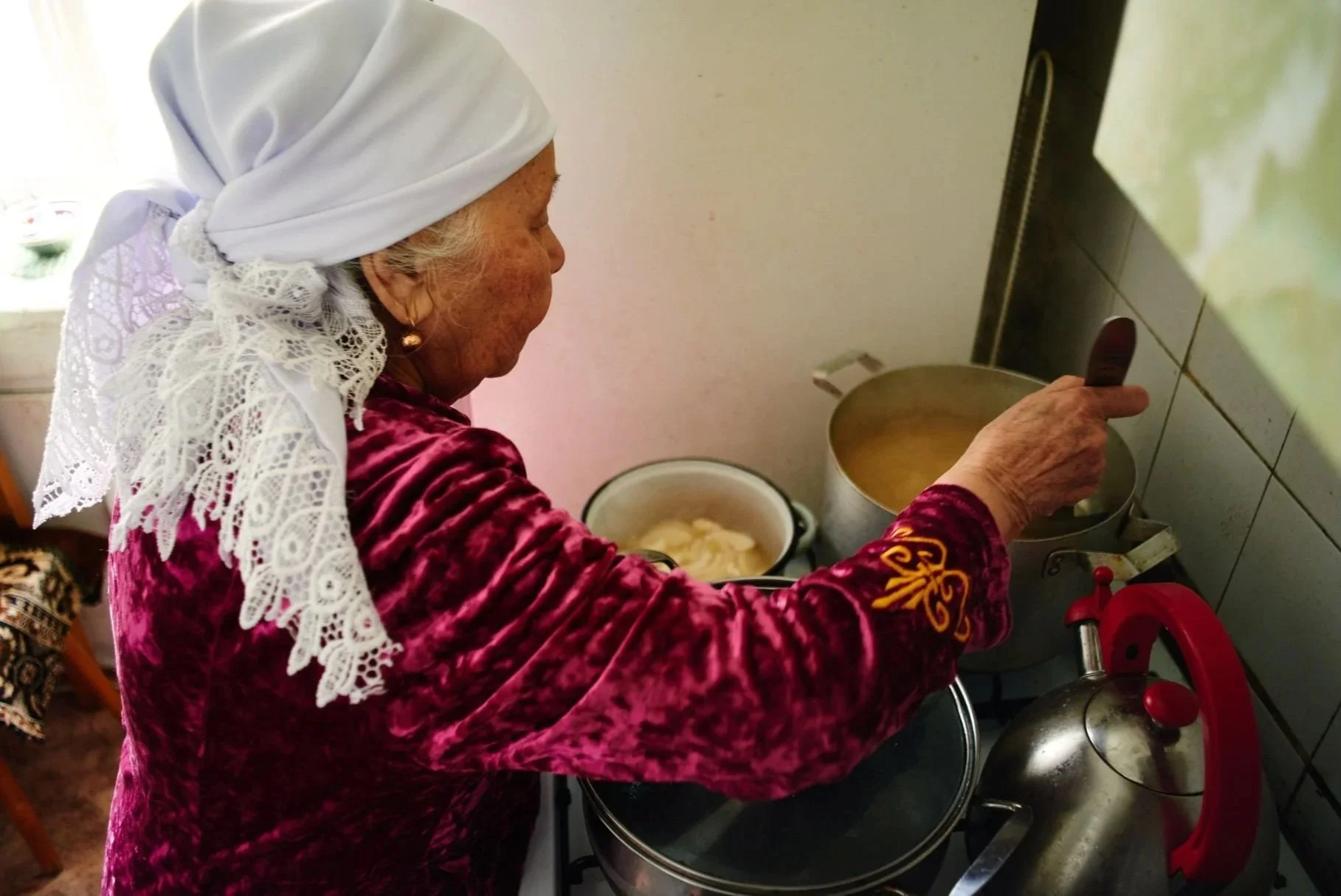
When you were a kid, you may have learned love to be communicated primarily through what people did, not what they said. The parent who stayed up late to make your favourite meal or sew costumes for the school play, or who still looks for things to fix in your apartment when they visit. Oftentimes, these actions coexist with an almost complete absence of the verbal and emotional attunement that a lot of Western therapy can assume as baseline, which results in you feeling confused when asked how you were feeling, having your inner experience reflected back, being told that you were loved as a kid, or maybe still now as an adult. You may have learned love to be practical, and didn’t have a chance to develop a clear vocabulary of your emotional language, which may make it difficult to communicate with your friends and partners as an adult.
Competence and self-sufficiency as personality traits
For a lot of Asian American and Central Asian adults, you may have grown up being praised for being “mature for your age” or “so responsible”. You may have carried pride at being so grown up, that your family could talk to you “like an adult.” That’s not necessarily a bad thing by itself, but what it can often lead to is family enmeshment, where parents rely on the child for their emotional needs, and the child no longer feels comfortable bringing their concerns to their parents for fear of making them feel worse.
Some of the memories you have of your family being proud of you is your parents attending ceremonies or performances, that love and pride being shown through their presence. As an adult, you may still be used to that feeling of winning an award or getting into a competitive program, except now it can elicit a complicated mix of pride and emptiness, as you burn out on your goals, or run into barriers between you and your goals.
A spectrum of “it’s not that bad” and “I’ll just figure it out myself”
A pattern that comes up frequently in inner child work therapy with AAPI and Central Asian adults in NYC is the early internalization of not burdening others or not rocking the boat. You may have grown up watching a parent manage enormous difficulties without complaint, understanding that the household was under significant strain, feeling like your parents and grandparents had navigated much harder things and never had the chance to fall apart, so it feels like your worries inevitably cannot compare.
What can develop over time is emotional self-sufficiency where you internalized that your feelings were yours to carry alone, but you were never taught how to process them well. You may know how to “function” very well, but it often feels like something’s missing, and like everyone else must’ve got some kind of handbook on life that you didn’t. You both crave support from others and don’t know how to receive it.
Emotional inheritance and intergenerational burdens
The transmission of unexpressed history is a distinct thread in Central Asian households, as well as in AAPI households. Parents and grandparents who lived through collectivization, famine, war, forced migration, Soviet repression, or the disorientation of post-independence transition often didn’t have the language, safety, or the cultural permission to process what they had experienced. The history stored in our bodies finds its way into the household as a baseline alertness and suspicion towards others, a scarcity mindset and complicated relationship with authority, addiction, grief, and loss.
If you grew up carrying something heavy that feels like it’s both yours, and also feels inherited from your family and your people, you may have developed strategies of dealing with it, such as:
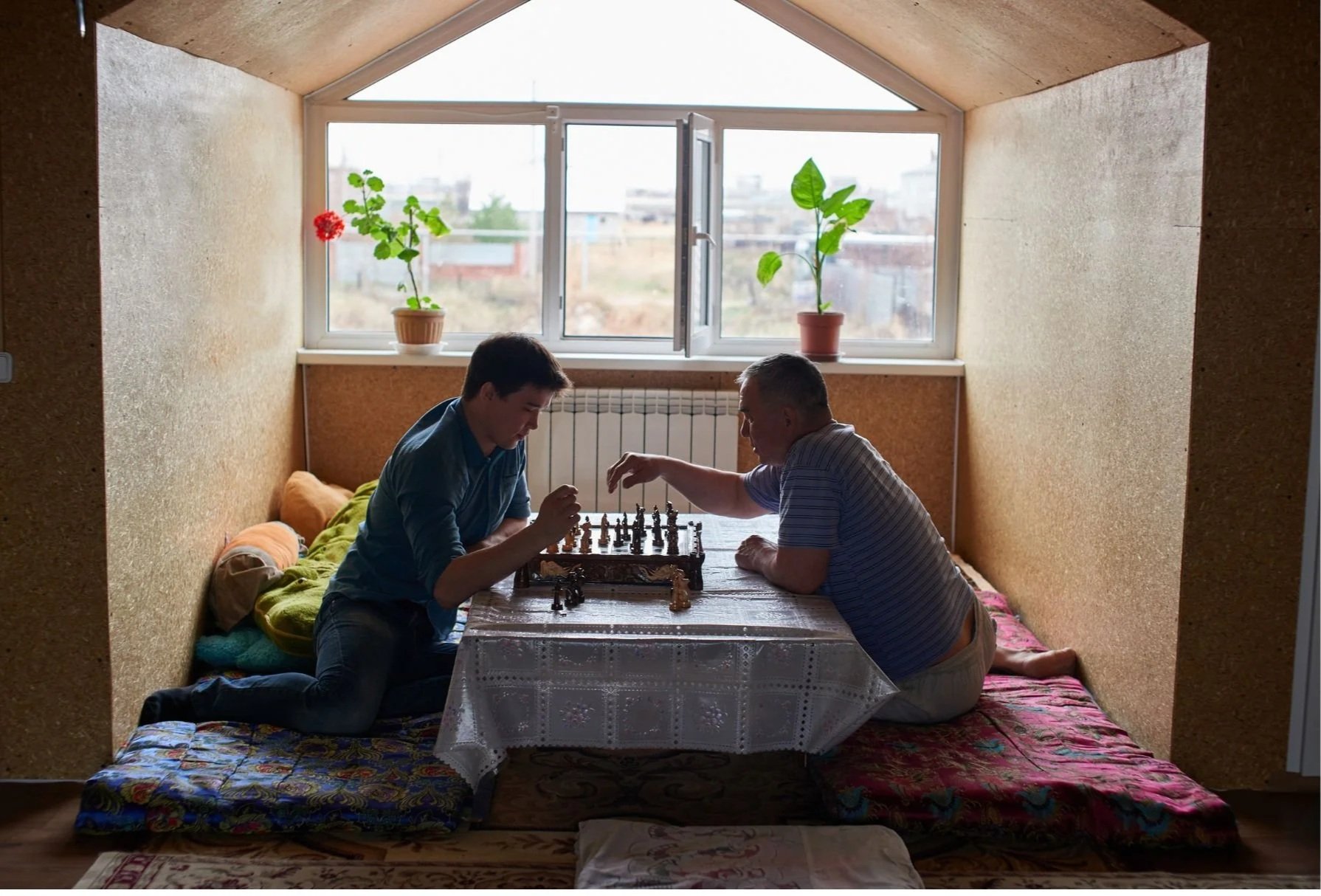
Achievements as a way of communication
When worth is primarily legible through output, achievement becomes a primary emotional language, a way of saying to yourself and others, I am okay, I am enough, I’m doing well. This can work remarkably well, but require continuous maintenance: the next credential, next milestone, next evidence.
High emotional attunement with low emotional needs fullfillment
When your safety or belonging depended on accurately anticipating what others needed – a parent’s mood, a family’s expectations, you can become very good at reading the room quickly. Many Asian American and Central Asian adults seeking therapy in NYC are extraordinarily attuned to other people and skilled at holding space for others, and simultaneously feel very lonely and isolated.
Learned habits of carrying difficulty alone tend to show up in adult life as an ongoing relational patterns of being the person who’s easy to be around, who’s very good at caring for others, and who doesn’t know how to rely on others. Partners may describe you as hard to reach, friends may have no idea of your struggles. You may agree, or you may describe it as just being private, or not being sure if there’s anything worth mentioning, or knowing you’ll handle it yourself anyway, so why share it with others and bring it up at all.
Underneath that, there can often be a part that learned very early that need was either a burden on people who already had too much on their shoulders, or a nuisance that wouldn’t be met anyway, so the safest strategy was to make the need invisible.

A few things to try right now
To start paying attention to what’s going on in your inner world and connecting to your inner child, consider these invitations to turn towards feelings you may have been trained to turn away from.
Do something for yourself that you usually would only do for others.
Cook a meal you’d usually reserve for company (because it takes longer, because it needs a specific ingredient you can only get at this one store, because it’s too much work) for yourself when you’re craving it. Write a letter to a younger you – maybe you at thirteen, or you at seven; pick an age that comes to mind without thinking too hard, and put something on paper. Trace your favorite music album cover onto paper, and write down which song you like the most.
Next time you find yourself overbooked, ask yourself: “What could I be avoiding feeling by staying busy?” or “What do I need right now?” It’s okay if you’re not sure. The answer may surprise you, and it’s also okay if this is just a step towards an ongoing practice to turning these questions inward and checking in with yourself.
Name something you wish got more attention when you were a child.
Maybe you used to love writing, and it fell to the backburner when you had to choose a university major; or maybe you always enjoyed cooking with your mom, but she preferred to do it by herself. Maybe it’s all of it, and your inner child needed and deserved a lot more than what they got; for now, start with one or two specific things as information, and notice what you feel when you focus on them.
If you've read this far, something probably landed. Maybe it was the specific detail about handling things alone, or the memory of a household where love was practical and emotional vocabulary was thin, or the recognition that you have a very clear sense of what others need and a much murkier sense of what you do.
If you're an Asian American, Central Asian, AAPI, or immigrant adult in New York who has been in therapy before and felt like something was being missed, or who has never tried it because you weren't sure it had been designed with you in mind, I'd be glad to talk further. I offer a free 15-minute consultation for us to see if we could be a good fit for what you’re working through.
You don't need to have this figured out before you reach out. The not-knowing is a perfectly good place to start.

Leila Zhanybekova (they/she) is a licensed and board-certified creative arts therapist (LCAT, ATR-BC) with nine years of post-graduate experience providing psychotherapy to adults in NYC. Leila offers virtual EMDR, Internal Family Systems (IFS parts work), and art therapy to immigrants and adult children of immigrants, BIPOC and AAPI communities, LGBTQIA+ and gender diverse people, and high achievers navigating burnout, perfectionism, and complex trauma. Leila works in English and Russian and sees clients across New York State.